
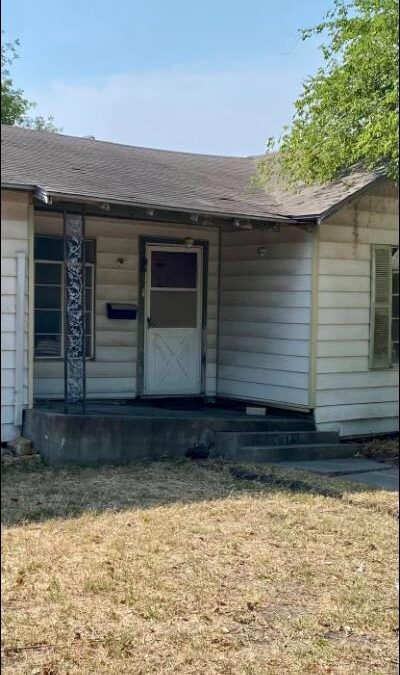
After a heavy rain in Corpus Christi, walk around your home once conditions are safe and see where the water goes. Soil that stays wet along one wall while the rest of the yard drains can be a clue. Where expansive clay is present, changes in soil moisture can contribute to swelling and shrinkage. On a raised house, water entering the crawl space can also leave wood framing damp. Drainage is one factor an evaluation can consider alongside the foundation and any symptoms inside the home.
What to look for after a storm
- Downspouts. Check whether they empty near the wall or feed into an extension or drain. Look for a disconnected extension, an overflowing gutter, or an outlet that sends water back toward the house.
- Grade and low spots. Look for puddles against the foundation, settled soil beside walkways, and runoff flowing toward a wall from a patio or neighboring grade.
- Crawl-space openings. From outside, look for silt lines, standing water, or runoff entering an opening. Note musty odors or damp flooring indoors. Avoid entering a wet or confined crawl space.
Record where water collects and how long it stays
Take a wide photo showing the wall, the gutter outlet, and the wet area in one frame. Check again the next day if practical. The timing can help distinguish a brief puddle from an area that stays wet. If the ground is wet during dry weather, note irrigation patterns and consider whether a plumbing or irrigation leak should be checked.
Clearing a blocked gutter or reconnecting an existing downspout extension is a useful first check. If water still collects, have the grade and discharge point assessed before adding soil or installing a drain. If you’re also seeing new cracks, sticking doors, or changes in the floor, include those observations when you request a foundation evaluation.
See our Corpus Christi foundation repair service or contact USA Foundation Repair to discuss what you’re seeing.